Graffiti's purpose ranges from ancient expressions of daily life, religion, and politics (like Roman insults or religious devotion) to modern forms of social commentary, cultural preservation, protest, and identity building, serving as a voice for marginalized communities, a canvas for rebellion, and a tool for community empowerment, often in defiance of authority or lack of access to traditional art spaces.
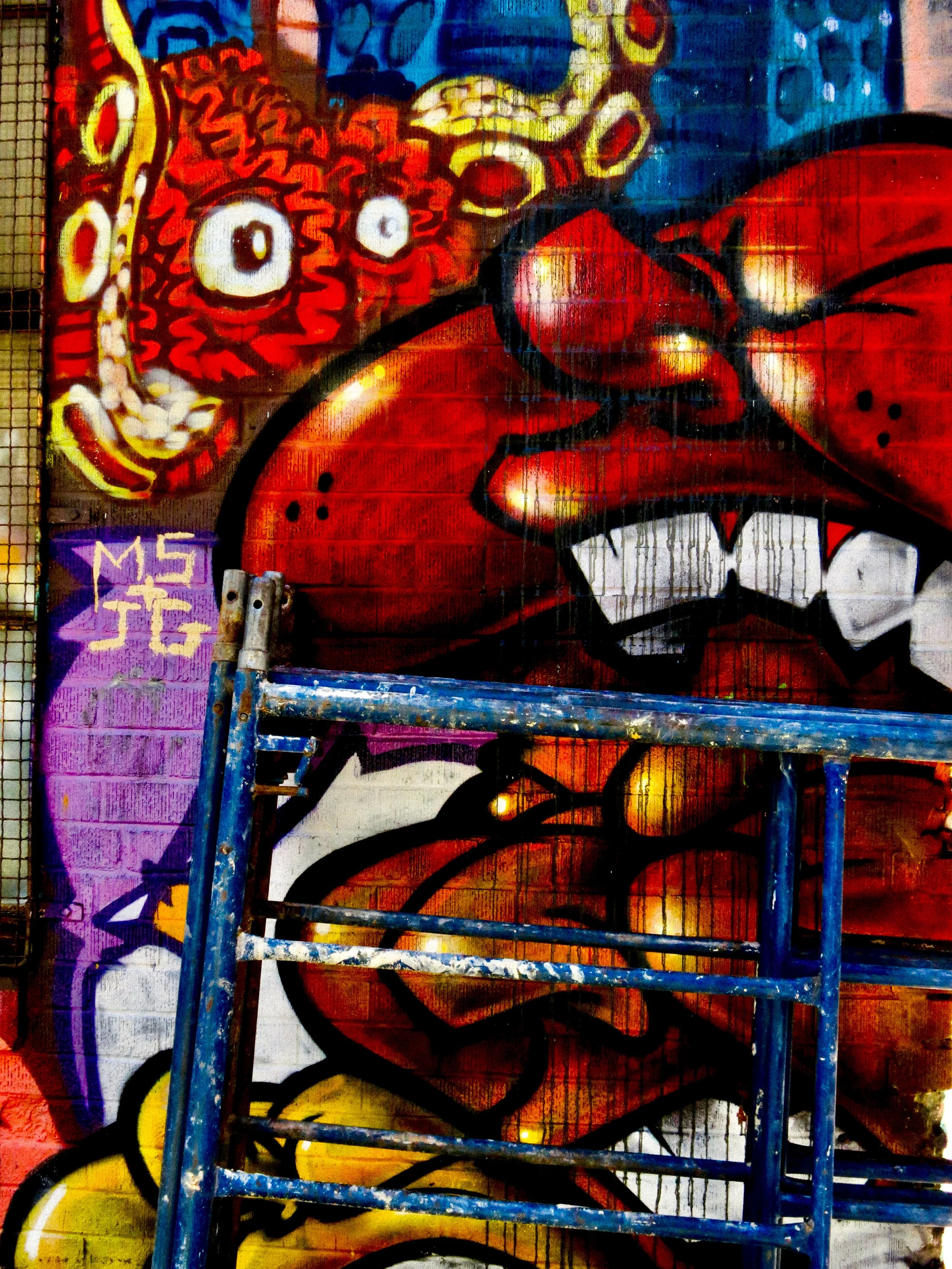
Graffiti, Toronto Canada, May - 2012
A public effort that legitimized the use of graffiti was established by the Queen Street West (Toronto) Business Improvement Association (BIA) for the area colloquially known as Graffiti Alley (originally Rush Lane).[16] Chair of the BIA, Spencer Sutherland, initiated this movement to protect property owners who did not wish to remove the graffiti street art and were being ticketed.
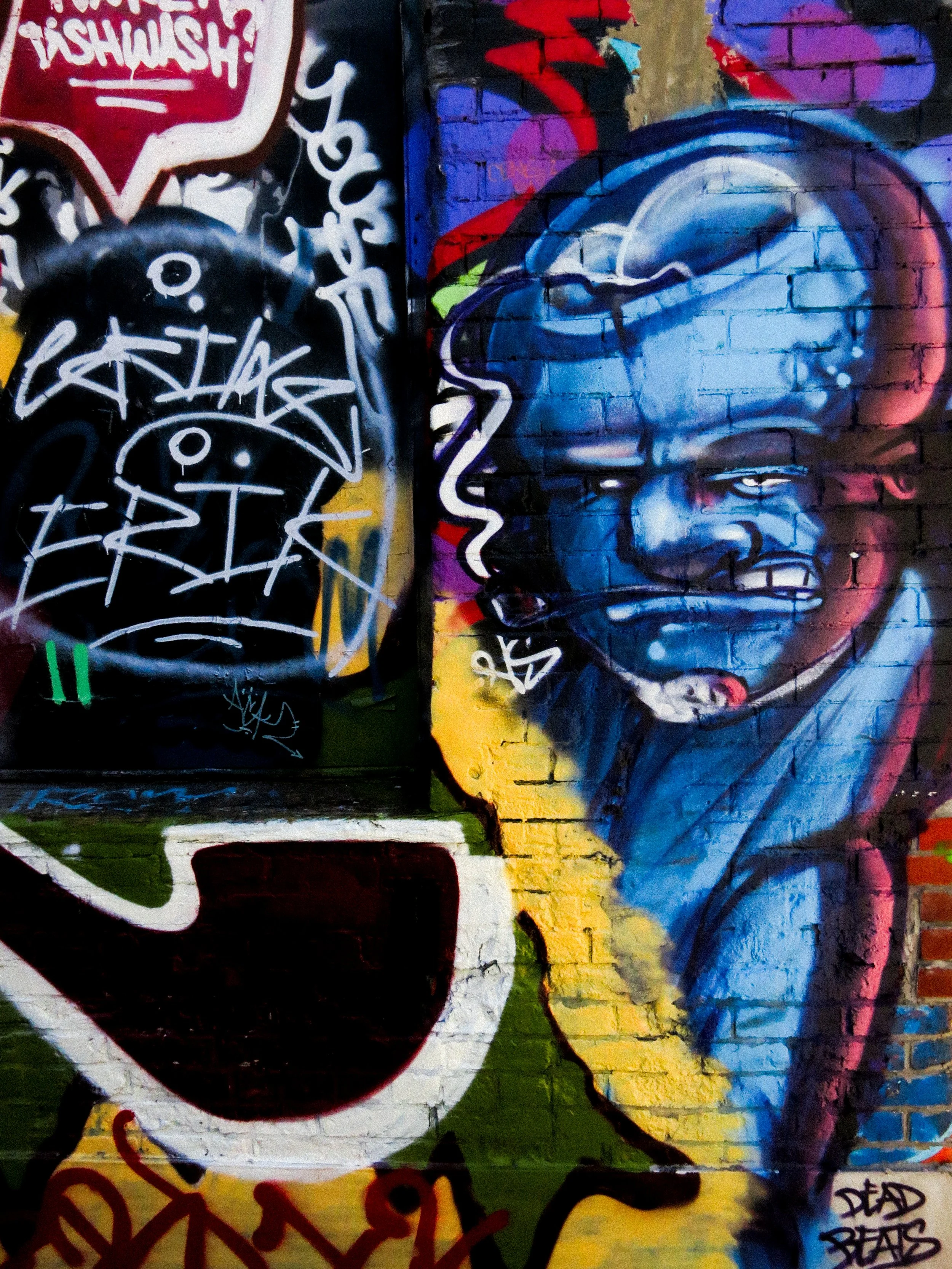
Graffiti, Toronto Canada, May - 2012
The entire laneway south of Queen St West from John Street to Bathurst Street was officially designated as an area of municipal significance in the Graffiti Management Plan adopted by Toronto City Council on July 12, 2011.
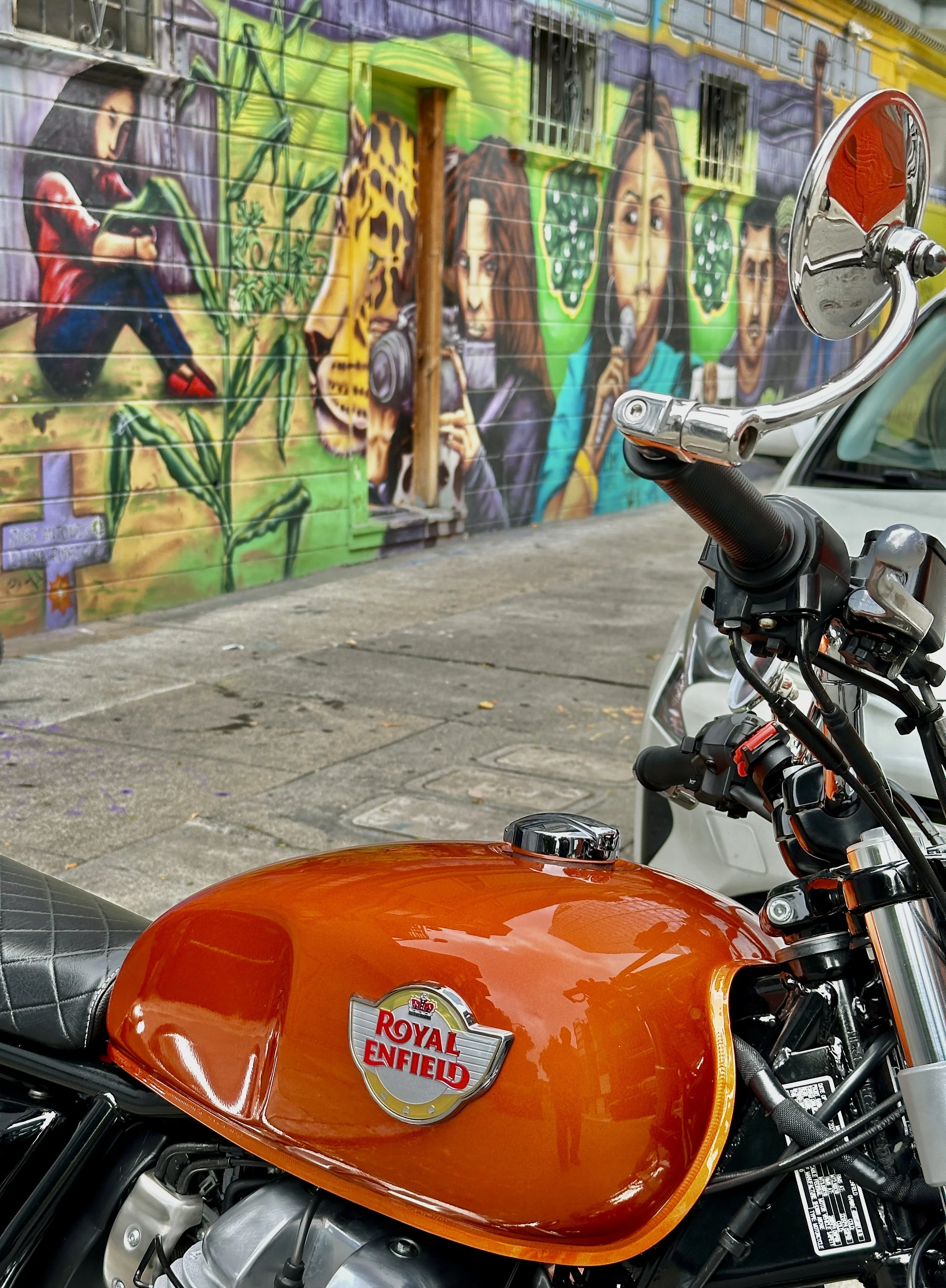
Graffiti, San Fransisco, June - 2024
Petroglyphs and ancient wall art are generally not considered graffiti; they are significant cultural, historical, and spiritual records of past peoples, while modern graffiti is usually recent, unauthorized markings (like names, tags) seen as vandalism, though some graffiti can be artistic.
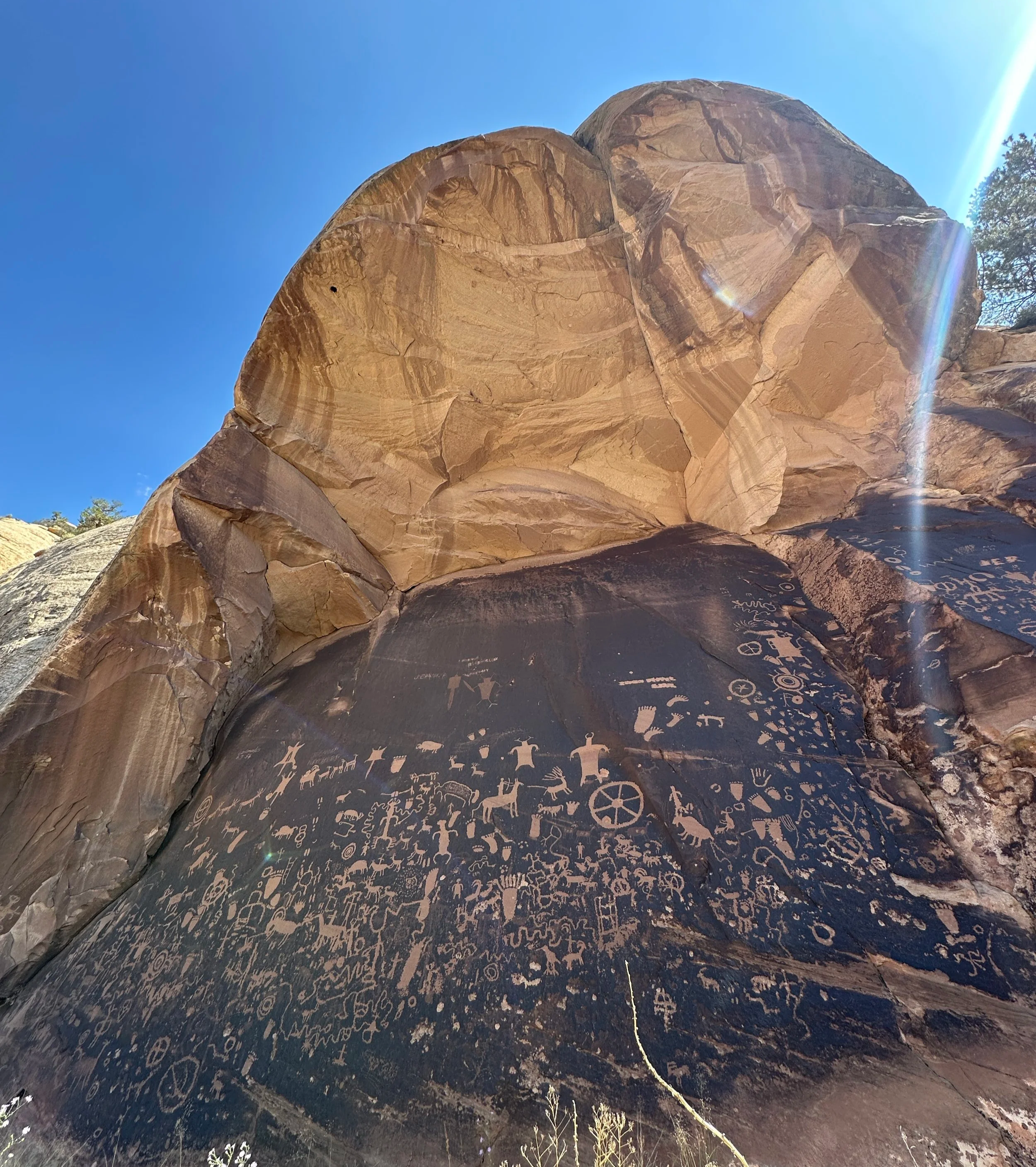
Newspaper Rock Mural September 2024
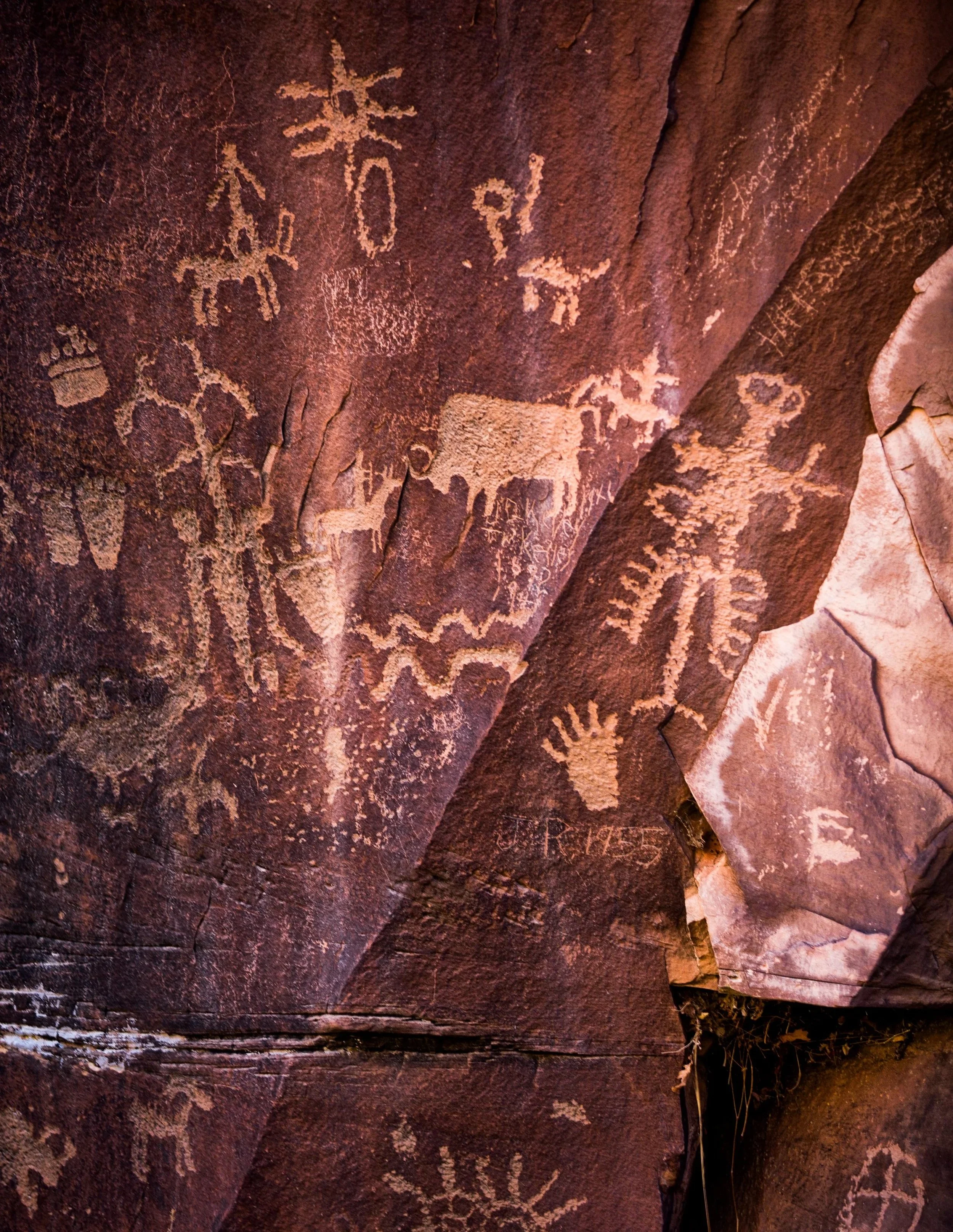
Newspaper Rock, April 2014
Newspaper Rock State Historic Monument is a Utah state monument featuring a rock panel carved with one of the largest known collections of petroglyphs.[1] It is located in San Juan County, along Utah State Route 211, 28 miles (45 km) northwest of Monticello and 53 miles (85 km) south of Moab.
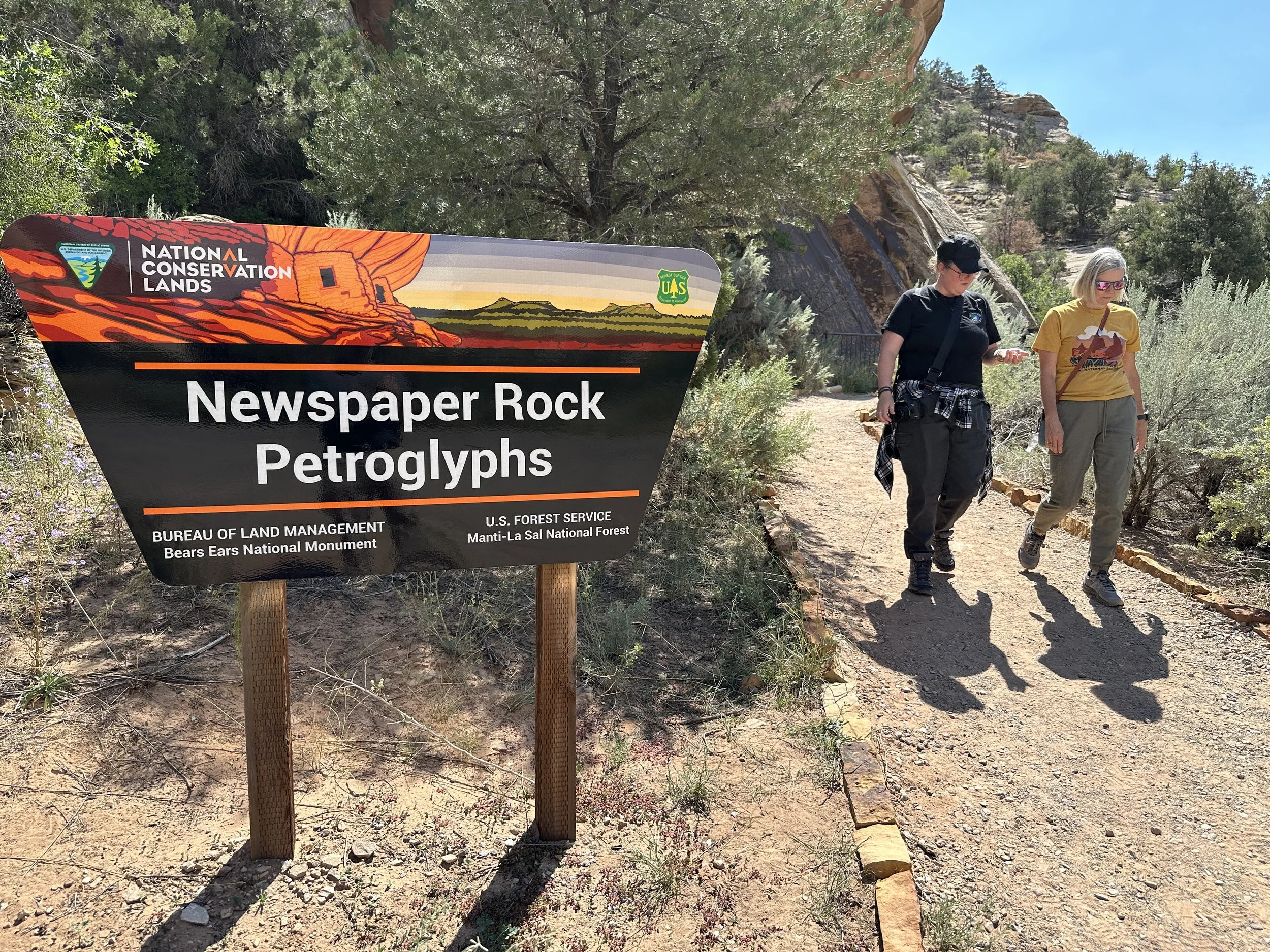
Newspaper Rock September 2024